


The influence of street fashion on haute couture: a revolution of styles and ideas
25.06.2025
Karl Lagerfeld: The Fashion Icon Who Redefined Style
03.07.2025The influence of street fashion on haute couture: a revolution of styles and ideas
25.06.2025Karl Lagerfeld: The Fashion Icon Who Redefined Style
03.07.2025
In recent years, a surprising phenomenon has been observed: the boundaries between street fashion and haute couture are blurring, creating a new reality in the world of haute couture. This symbiosis not only changes aesthetic standards, but also stimulates the creativity of designers, broadens the horizons of self-expression and makes fashion more accessible and relevant. In this article I will discuss how street fashion influences haute couture and why this trend is becoming one of the brightest in the industry today.
Fast fashion encourages the rapid and mass production of inexpensive clothes that quickly go out of fashion and are discarded. This results in a huge amount of waste - millions of tonnes of textile waste ends up in landfill every year, much of which ends up in landfills or incinerated, releasing harmful substances.
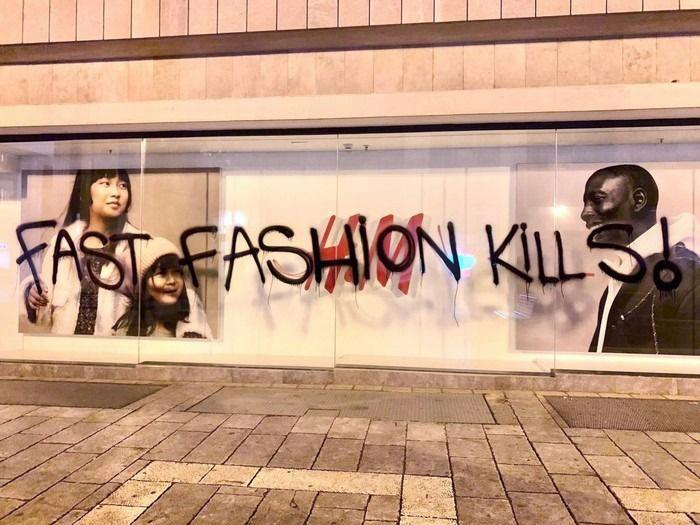
Use of chemicals and dyes
The production of textiles, especially synthetic textiles (e.g. polyester), requires the use of chemicals and dyes that pollute water and soil. In some countries, these wastes are dumped directly into rivers and oceans, damaging ecosystems and human health.
Massive water use
Cotton production is one of the most water-intensive processes. For example, it takes about 10,000 litres of water to grow one kilogram of cotton. In regions with arid climates, this exacerbates water scarcity and destroys local ecosystems.
Ecotoxic dyes and fabric processing
Many dyes contain hazardous chemicals which, if not disposed of properly, are released into the environment. This causes pollution of water bodies and adversely affects living creatures.
The carbon footprint of the fashion industry
Clothing production often takes place in low-labour-cost countries, where finished goods are transported thousands of kilometres. This increases greenhouse gas emissions - it is estimated that the fashion industry is responsible for around 10% of global CO2 emissions.
Use of synthetic materials
Polyester and other synthetic fabrics do not degrade for decades and release microplastics when washed, which end up in the oceans and are harmful to marine life.
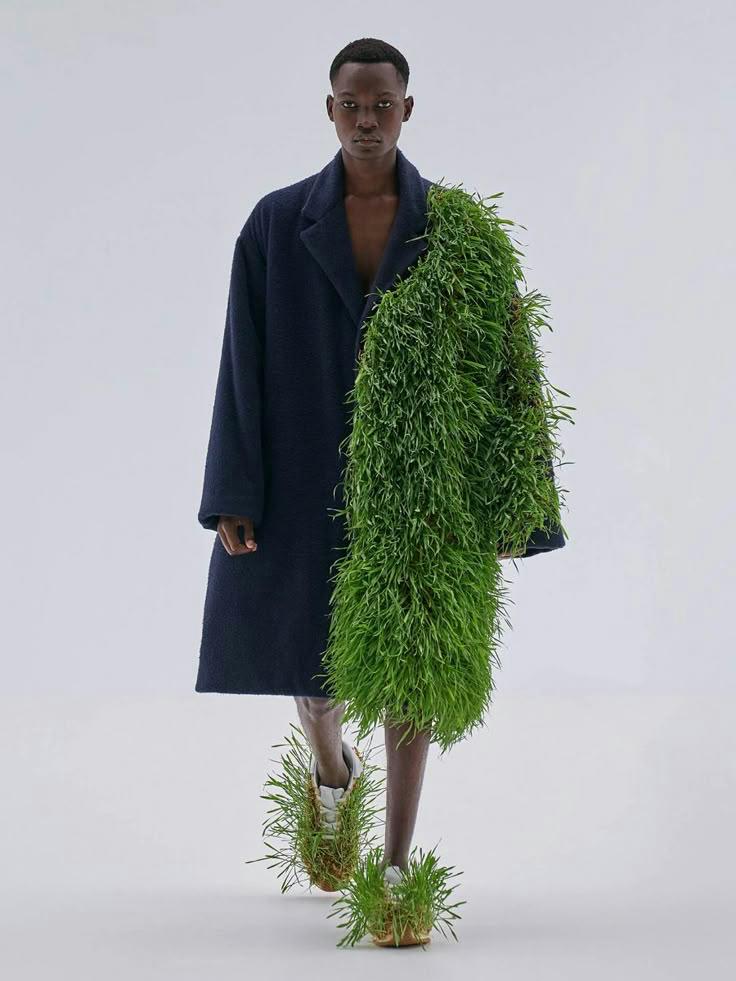


What is sustainable fashion?
Sustainable fashion (or sustainable fashion) is a trend in the clothing industry that focuses on minimising negative environmental impact and social responsibility. This includes the use of eco-friendly materials, ethical production, waste reduction and product longevity.
How to become more eco-friendly in fashion?
Choose natural and recycled materials
Look out for clothes made from organic cotton, linen, bamboo or wool. These materials require less water and chemicals to produce. Clothes made from recycled fabrics such as plastic bottles or old fabrics are also popular.
Buy quality clothing
Invest in high quality items that will last longer. This will help to cut down on shopping and reduce waste.
Support brands with ethical policies
Choose brands that adhere to fair trade principles, use sustainable materials and are transparent in their production processes.
Buy second-hand or vintage clothing
Recycling is a great way to get unique items and reduce the demand for mass production of new clothes.
Care for your items properly
Taking proper care of your clothes extends their lifespan. Follow washing and storage instructions.
Minimise the purchase of new clothes
Plan your wardrobe so that it is versatile and functional. Use accessories to update your look without buying new items.
Participate in swap events
Swap clothes with friends or participate in special swap events - it's fun and environmentally friendly!
Why it matters.
Every choice we make affects the environment, from our use of water and chemicals to our carbon emissions and waste generation. Clothing production is one of the biggest polluters of the planet. By switching to an eco-friendly style of consumption, we can reduce the negative impact of the fashion industry.
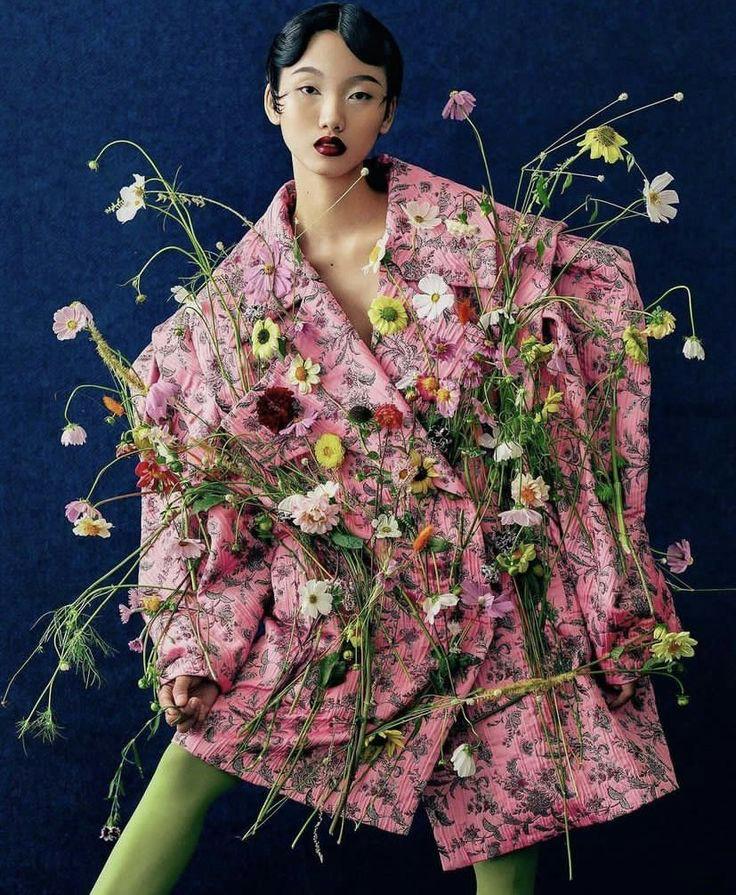
Becoming stylish and taking care of the planet are quite compatible goals. Sustainable fashion offers us the opportunity to express our individuality through conscious clothing choices that help preserve nature for future generations. Start small: choose quality items, support responsible brands and don't forget to reuse. Together we can make fashion more sustainable and beautiful!
Be stylish and responsible!
Why it matters.
Every choice we make affects the environment, from our use of water and chemicals to our carbon emissions and waste generation. Clothing production is one of the biggest polluters of the planet. By switching to an eco-friendly style of consumption, we can reduce the negative impact of the fashion industry.

Author: fashionpont